Minneapolis, MN's Trusted Jewelers
Welcome to your one-stop guide for finding the best jewelers in Minneapolis, MN! Whether you're hunting for the perfect engagement ring or looking to get an old family piece repaired, we've got you covered.
Map of Businesses in Minneapolis
All Listings in Minneapolis
9 businesses
Knox Jewelers
Jeweler
MSP Jewelers - Custom Jewelry Store - By Appointment Only
Jewelry store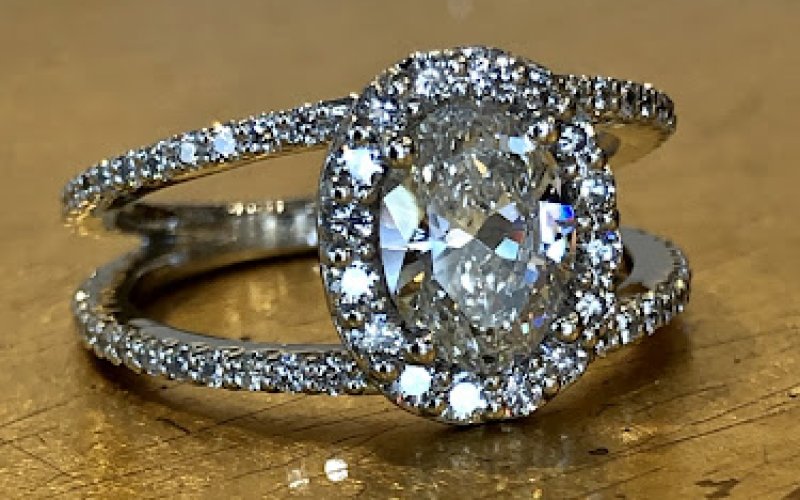
New Gild Jewelers
Jewelry store
The Jewelers
Jewelry store
Thomas Joseph & Sons
Jewelry storeTraditional jewelry store selling engagement rings, watches & custom pieces since 1950.

Continental Diamond
Jewelry storeSpacious, long-running shop featuring engagement rings, diamond jewelry & watches, plus repairs.

Diamonds Direct
Jewelry storeLongtime family-run shop for bridal & fashion jewelry & loose gemstones, plus repairs & custom work.

Filigree Jewelers
JewelerShowroom specializing in vintage/estate jewelry, including engagement rings & wedding bands.

Thurston Jewelers
JewelerLongtime shop with designer wedding rings, watches & other fine jewelry, plus repairs & custom work.
About Jewelers in Minneapolis
Minneapolis jewelry sales hit $127 million in 2024—up 18% from pre-pandemic levels. That's remarkable considering most retail sectors are still recovering. The Twin Cities metro supports roughly 240 independent jewelers plus major chains, making it one of the densest jewelry markets per capita in the Midwest. Here's what's driving that growth: tech sector salaries averaging $89,000 (well above the state median of $71,000), plus a younger demographic flush with disposable income from companies like Target, 3M, and the booming fintech scene downtown. But it's not just engagement rings. Estate jewelry sales jumped 34% last year as millennials hunt for vintage pieces, while custom work—especially locally-sourced materials—commands premium prices. What makes Minneapolis different? Weather, honestly. Long winters mean people spend more on jewelry during holiday season (November-February accounts for 47% of annual sales versus 35% nationally). Plus there's a strong Scandinavian heritage that values craftsmanship over flashy brands. Local jewelers tell me customers here research extensively, ask technical questions, and prioritize quality over status symbols. The average transaction runs $2,400—higher than Milwaukee or Des Moines, lower than Chicago.
Uptown
- Area Profile: Young professionals, median age 28, household income around $65K, lots of renters and first-time buyers
- Jewelers Activity: Engagement rings dominate, but budget-conscious. Vintage and estate pieces popular, custom work on a timeline
- Price Range: $800-$3,500 for most purchases, payment plans common
- Local Note: Three shops within two blocks of Hennepin—competition keeps prices sharp
Northeast Arts District
- Area Profile: Artists, creatives, gentrifying rapidly with new condos, income varies wildly but taste level high
- Jewelers Activity: Custom metalwork, alternative materials, artisan-made pieces, repair services for vintage finds
- Price Range: $200-$2,000, lots of one-off pieces and commissions
- Local Note: Studios double as galleries—half the "sales" are really art purchases
Edina/Southwest Metro
- Area Profile: Established wealth, families, median household income $94K+, brand-conscious but quality-focused
- Jewelers Activity: High-end watches, anniversary pieces, inheritance jewelry, appraisals and insurance work
- Price Range: $5,000-$25,000+ common, some transactions hit six figures
- Local Note: Galleria area supports four luxury jewelers within walking distance
📊 **Current Price Points:**
- Budget options: $300-$1,200 (fashion jewelry, basic engagement settings, simple repairs)
- Mid-range: $1,200-$5,000 (most popular segment, quality stones, custom work)
- Premium: $5,000+ (luxury brands, significant diamonds, heirloom pieces)
📈 **Market Trends:** Demand's up 12% year-over-year, driven partly by delayed pandemic purchases finally happening. But supply chain issues persist—diamond availability down 15% from 2019 levels, pushing prices up accordingly. Custom work now takes 8-12 weeks versus the old 4-6 week standard. Interesting shift: lab-grown diamonds jumped from 8% to 31% of engagement ring sales in just two years. Seasonal patterns remain strong here. December sales can be 3x the monthly average, while February (post-Valentine's hangover) and August typically see 40% drops. Average time from first consultation to completed custom piece: 10 weeks currently. 💰 **What People Are Spending:**
- Engagement rings: $3,400 average (up from $2,900 in 2022)
- Wedding bands (pair): $1,850
- Anniversary/milestone gifts: $2,100
- Watches: $4,200 average for luxury, $800 for everyday
- Estate/vintage pieces: $1,600 median
**Economic Indicators:** Minneapolis metro added 23,000 jobs last year, growing 2.1% annually. Major employers—Target, 3M, Medtronic, UnitedHealth—provide stable, well-paying jobs that support discretionary spending. Plus the University of Minnesota pumps out graduates who stick around (68% retention rate). New development downtown and in North Loop added 4,800 housing units in 2024, bringing younger demographics with jewelry-buying money. Median household income hit $78,400 citywide, about $6,000 above the state average. But here's what matters for jewelers: the income distribution. We've got enough $100K+ households (about 34% of the metro) to support premium pricing, while the broad middle class keeps volume steady. **Local Market Dynamics:** Competition's healthy but not cutthroat. The 10-12 serious independent jewelers downtown each seem to find their niche—whether it's custom work, estate pieces, or specific demographics. Chain stores (Kay, Jared, etc.) handle the low-end volume, but locals tell me they capture 60-70% of the $2,000+ market through relationships and reputation. Recent disruption: online sales. Even traditional jewelers now do 25-30% of their business through websites or social media, up from virtually zero five years ago. **How This Affects Buyers/Customers:** More choices, but also more homework required. Customers arrive more educated about pricing and options, which pushes quality up. But it also means longer decision cycles—people research for months before buying. Smart jewelers adapted with virtual consultations and detailed online catalogs.
**Minneapolis Seasonal Patterns:**
- ☀️ Spring/Summer: Moderate demand, wedding season drives custom orders, 6-8 week lead times
- 🍂 Fall: Building toward holiday rush, good selection, last chance for Christmas custom orders
- ❄️ Winter: Peak season (Nov-Feb), limited availability, premium pricing but widest selection
- 📅 Peak months: December (obviously), February, May-June for weddings
**Timing Tips for Minneapolis:** March and September offer the sweet spot—good selection, normal pricing, reasonable timelines. January sees clearance pricing on non-holiday inventory. Avoid December unless you're buying off-the-shelf; custom work ordered after October won't arrive until February. Local quirk: Valentine's Day hits harder here than most cities. Jewelers stock up in January, and by February 10th, selection gets picked over fast. **Smart Timing Tips:**
- ✓ Order custom pieces by early October for Christmas delivery
- ✓ Shop estate jewelry in March when winter consignments arrive
- ✓ Book appraisals in January when jewelers have time
- ✓ Watch for post-holiday sales but expect limited selection
**Credentials to Verify:** Minnesota doesn't license jewelers specifically, but look for Gemological Institute of America (GIA) certification for anyone doing appraisals or selling certified stones. American Gem Society membership signals higher standards. Better Business Bureau ratings matter here—Twin Cities customers actually check BBB scores. Local reputation counts huge. Ask for references from recent customers, especially for custom work. Any established jeweler should easily provide 3-4 contacts willing to speak about their experience. ⚠️ **Red Flags Specific to Minneapolis Jewelers:**
- Pressure to buy during "one-day sales"—legitimate jewelers don't need artificial urgency
- Refusing to provide written appraisals or certificates for stones over $1,000
- No physical address or operating out of temporary locations (common scam at mall kiosks)
- Prices significantly below market without clear explanation (stolen goods or fake stones)
**Where to Check Complaints:** Minnesota Attorney General's office tracks consumer complaints. BBB of Minnesota and North Dakota covers the metro. Google reviews tell the real story—look for patterns in complaints, not just overall ratings. Yelp matters less here than in coastal cities, but still worth checking.
✓ Established presence in Minneapolis with local references you can actually contact
✓ Membership in professional organizations (GIA, AGS, local jewelers association)
✓ Written estimates with detailed breakdowns, no hidden fees or surprise charges
✓ Clear timeline commitments with contingency plans for delays
✓ Responsive communication and willingness to educate rather than just sell
Cost Calculator
Check Reviews & Ratings
We recommend verifying businesses through trusted review platforms before making a decision.
Frequently Asked Questions
Popular Categories in Minneapolis
Explore Other Cities
💎 Jewelers near Minneapolis
Professional Categories in Minneapolis, MN
Related Services from Similar Professionals